

Zip lock or heat seal?

Ziplock doypack packaging has become a popular choice for many product categories due to its practicality and ease of use, keeping pace with the fast-paced modern world. However, it's important to remember that using a ziplock bag doesn't always guarantee complete product protection. While ziplock and heat sealing methods may seem to serve the same purpose, they actually meet different requirements. Therefore, when choosing the correct sealing method, the intended use of the packaging, the processes the product will undergo, and the conditions it will be exposed to until it reaches the consumer should be carefully considered.
Advantages of Zip Locks
Packaging with zip locks offers significant convenience, especially by making the product reusable. Since the packaging can be resealed after opening, it's generally ideal for home use. Besides providing a practical experience for consumers, it increases the functionality of the packaging and can protect the product from external factors for a longer period. However, it's important to remember that the protection provided by the zip lock only applies after the initial opening; it may not be sufficient to protect the product until it reaches the consumer.
The Role of Heat Sealing in Packaging
Heat sealing ensures the packaging is completely sealed after filling. This sealing method is critical for protecting the product from external environmental factors until its first opening. It is indispensable, especially during storage and transportation or in situations requiring the product to be kept for extended periods.
Heat sealing not only ensures hygiene and safety, but also extends shelf life by maintaining product stability. For this reason, it is frequently preferred as a complementary method in zip-lock packaging.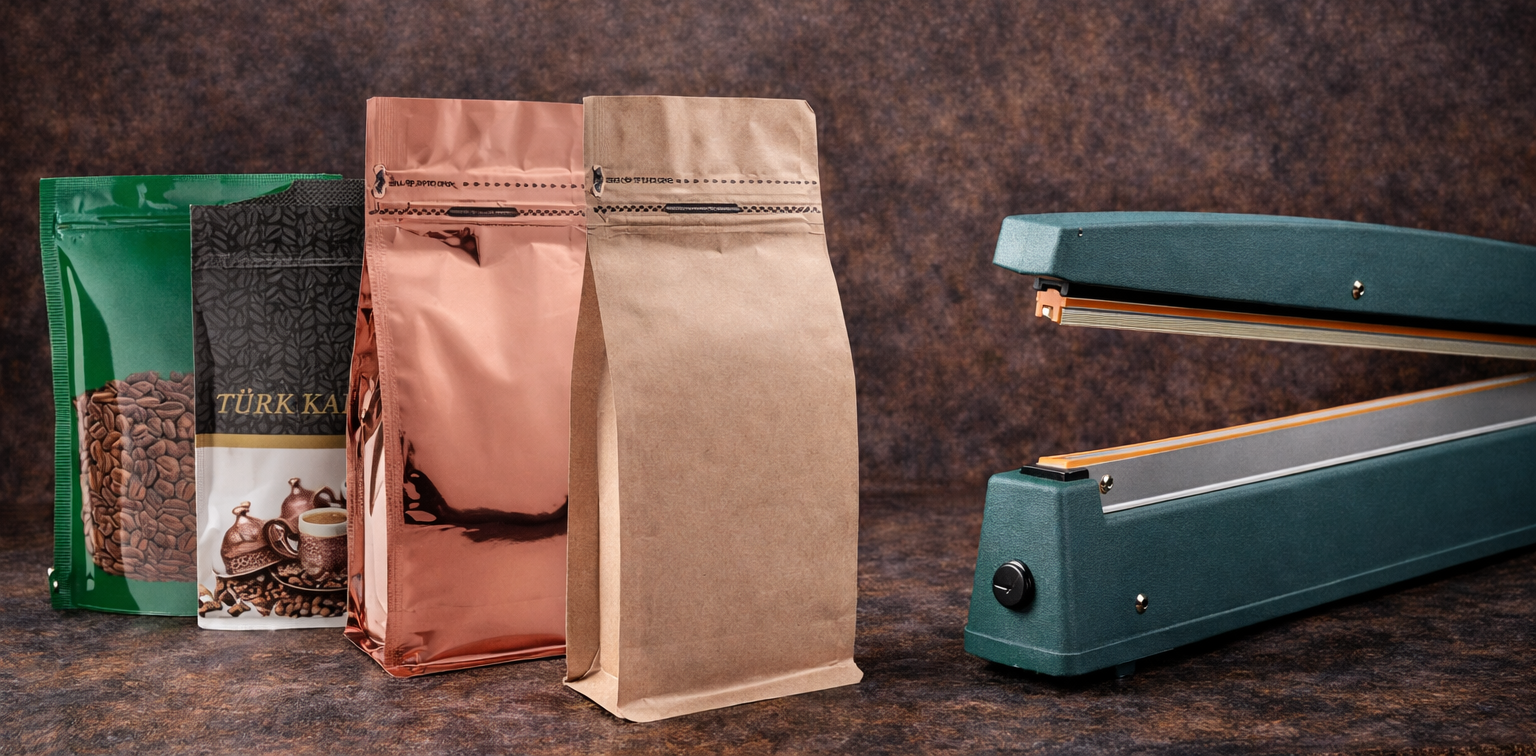
How do zip locks and heat seals work together?
The ideal approach for resealable doypack packaging is to enhance product security through heat sealing while maintaining the user-friendly features of the zip lock. This combination ensures balanced performance during both transport and use. The product is transported under robust heat protection during logistics and storage , while the zip lock engages upon opening the package, simplifying use for the consumer. These two methods are not alternatives but rather complementary elements.
Does the closing preference vary depending on the sales channel?
Packaging closure preferences can vary depending on the sales channel. For example, in e-commerce and wholesale channels, products often sit in warehouses for extended periods or are exposed to environmental factors during shipping. In such cases, heat sealing is essential to ensure the product remains completely sealed until it reaches the consumer. On the other hand, for products that spend less time on store shelves or are consumed directly, zip locks may offer an advantage as consumer experience is paramount. However, heat sealing still plays a significant role for products with a long shelf life or those displayed in environments exposed to environmental factors. Therefore, the closure method should be determined not only according to the sales channel but also according to shelf life and logistical needs.
Common Mistakes Made When Choosing a Closure Method
The most common mistake is assuming that a zip lock alone provides all the protection. However, a zip lock is a solution for the consumption stage. Ignoring the entire process the product goes through from filling to reaching the consumer, the packaging performance may not meet expectations. The correct approach is to evaluate zip locks and heat sealing together, not separately, but within the entire lifecycle of the product.