

Layer Structure and Lamination Selection in Doypack Packaging

The value of doypack packaging stems not only from its aesthetic design but also from its layered structure. This structure plays a critical role in protecting products, extending shelf life, and improving performance. If the wrong lamination structure is chosen, the product can become vulnerable to moisture, oxygen, light, or other environmental factors. Therefore, the layer selection for doypack packaging must be meticulously planned to suit the physical and chemical properties of the product.
The Importance of Layer Structure in Doypack Packaging
The layered structure of the packaging is formed by combining multiple film materials using special techniques. Each layer gives the packaging a specific function. Some increase durability, some act as barriers, and others enhance the quality of the print and visuals aesthetically. In doypack packaging, two or three-layer lamination systems are generally preferred. However, the number of layers and the type of material used are directly proportional to the product's need for protection.
The Effect of Lamination on Packaging Performance
Lamination not only increases the durability of packaging but also extends the product's shelf life, preserves freshness, and enhances safety. However, if the wrong type of lamination is chosen, the product may spoil quickly or the packaging may deform and lose its functionality.
With the correct lamination structure:
· The product is completely isolated from external factors.
· The packaging gains a leak-proof seal.
· Shelf stability is increased, and long-term storage becomes possible.
· It is designed to withstand deformations that may occur during use. 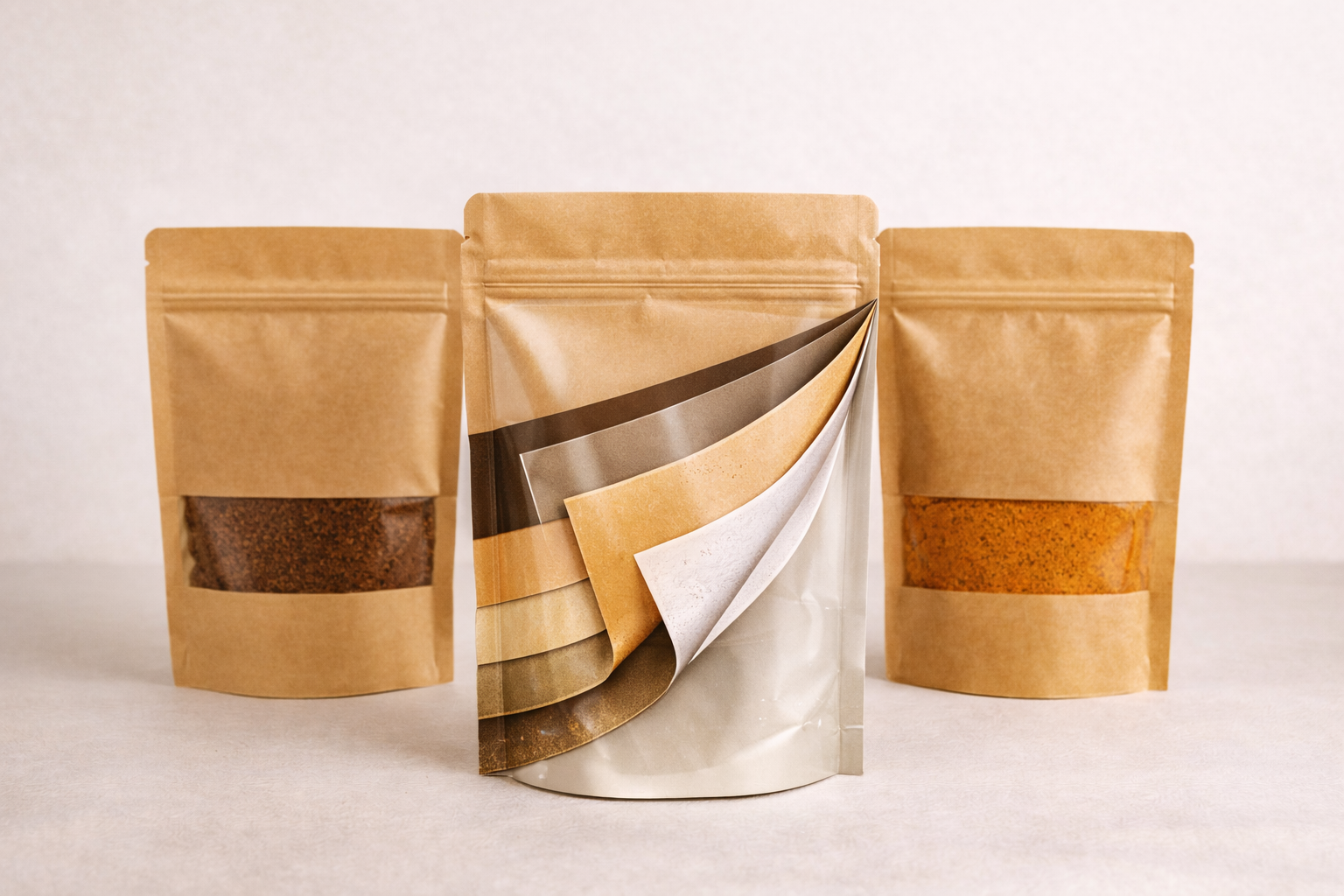
The Ideal Lamination Choice for Dry Food Products
Moisture and oxygen barriers are essential for products such as spices, coffee, nuts, and dried foods. These products rapidly lose their aroma and freshness when exposed to the external environment. Therefore, the most commonly preferred layering structure for such products is as follows:
· Outer Layer: A durable, printable film is used to achieve both an aesthetically pleasing and protective surface.
· Middle Layer: A metallized or aluminum-based high-barrier film prevents moisture and oxygen penetration.
· Inner Layer: A film that can come into direct contact with food and complies with health standards is preferred.
This composition prevents the product from losing its aroma and freshness, ensuring it is preserved for a long time.
Layer Structure for Liquid and Semi-Fluid Products
For liquid and semi-liquid products, leak-proofness and durability are among the most critical factors. Packaging used for sauces, liquid foods, cleaning products, or cosmetics must be pressure-resistant. The preferred lamination structure for such products is:
· Impact resistant,
· Providing a high level of sealing,
· The inner surface must be compatible with the product.
The correct layer structure allows the packaging to maintain its shape during filling and throughout its shelf life.
The Ideal Lamination Solutions for Pet Products
Different types of lamination are required for pet shop products depending on their contents. For products such as cat and dog food, treats, or cat litter, durability and ease of transport are paramount. Ideal laminations for these types of products have the following characteristics:
· Thick and tear-resistant outer layer,
· A middle layer that blocks the passage of odor,
· A safe, product-compatible inner layer.
Proper lamination ensures these products are safely protected both during storage and throughout consumer use.
Mistakes to Avoid When Choosing Lamination
Focusing solely on cost when choosing lamination is a common mistake. An incorrectly selected lamination structure can lead to greater financial losses in the long run. The most common problems include:
· Product deterioration due to insufficient barrier properties,
· The packaging easily loses its shape,
· The shelf presentation appears weak,
· Problems such as tearing or leakage are common in consumer use.
To prevent such errors, the lamination structure should be planned taking into account all the characteristics of the product.
How to Choose the Right Lamination for Your Product?
To determine the correct lamination method, the following characteristics of the product must be analyzed in detail:
· Moisture sensitivity,
· Sensitivity to oxygen and light,
· Physical weight,
· Fluid structure,
· Expected shelf life.
The appropriate layer structure, determined according to these criteria, will yield the best results not only in terms of functionality but also in terms of the product's longevity.