

Food Packaging: The Importance of Preserving Product Freshness

Food packaging is crucial not only for preserving product freshness but also for hygiene, safety, and logistical processes. A visually and functionally appealing packaging design helps brands differentiate themselves from competitors and increase sales. Today, the materials used in food packaging are constantly evolving to both extend product shelf life and enhance sustainability.
The Importance of Food Packaging
Food packaging is more than just a storage solution. Food packaging is an important tool that protects the product from external factors, provides consumers with information about the product, and strengthens brand image. Here are the most important advantages of food packaging:
It preserves the freshness of the product.
It extends the shelf life of food by preventing it from being affected by external factors such as air, humidity, and light. Thanks to its protective barrier structure, it preserves the flavor and nutritional value of products for a long time. Even after opening, it maintains freshness and can be reused with zippered or vacuum-sealed options.
Packaging ensures product safety.
It ensures hygienic consumption by protecting the product from external factors. Thanks to its robust and leak-proof structure, it minimizes the risk of product contamination. Produced with materials that comply with food safety standards, it offers consumers a safe experience.
Ease of Logistics and Storage in Packaging
Their lightweight and durable construction prevents damage to products during transport. Their flexible structure minimizes storage space, providing a cost advantage. Their high durability reduces the risk of tearing or puncturing during stacking. The ability to produce them in various sizes and shapes contributes to more efficient management of logistics processes.
Improves Consumer Experience
Zippered, transparent, or custom-printed packaging offers users a practical and stylish consumer experience. Its easy-to-open and close design ensures product freshness for longer, making it reusable. The transparent design allows consumers to see the product and purchase with confidence. Custom-printed packaging strengthens brand perception and gives consumers a premium feel.
It strengthens brand identity.
Customizable packaging designs can increase brand awareness and boost sales. Printing options allow you to clearly convey your brand message with your logo and corporate colors. Eye-catching designs stand out on shelves, increasing consumer interest. High-quality and aesthetically pleasing packaging strengthens a brand's reputation for reliability and premium quality.
Types of Food Packaging
There are various types of packaging developed to suit different types of food. Here are the most commonly used types of food packaging:
Doypack Packaging
Doypack packaging, with its stand-up and resealable properties, is one of the most preferred packaging types for nuts, coffee, spices, snacks, and dry foods.- It offers practical use with its zippered and heat-sealable options.
- It can be produced with transparent, kraft, or metallized materials.
- It protects the product from air, moisture, and light, keeping it fresh for longer.
Vacuum Packaging
Vacuum packaging is ideal for perishable foods such as meat, cheese, coffee , and seafood.- It extends the product's shelf life by preventing contact with oxygen.
- It provides a sterile and hygienic storage environment.
- It can be designed as transparent or printed.
Cardboard Packaging
It is a commonly preferred packaging type for products such as milk, fruit juice , baked goods, and coffee.- It is environmentally friendly because it is recyclable.
- It can be printed on and the brand identity can be strengthened.
- It protects the product from external factors, allowing it to be stored for a long time.
Transparent Packaging
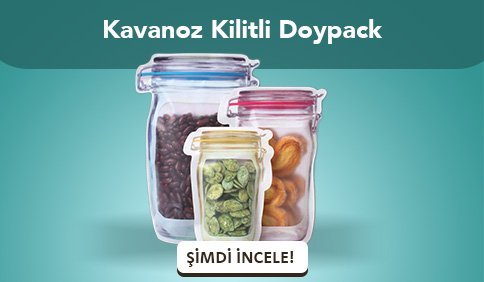
It is used especially for nuts, dried fruits, chocolates, and snack foods where consumers want to see the ingredients directly .- It increases consumer confidence by visually showcasing the freshness of the product.
- A minimalist and stylish design can boost sales.
- It protects the product from air and moisture, preserving its freshness.
Sustainable Food Packaging
Environmentally friendly solutions are increasingly becoming prominent in food packaging . Consumers are beginning to prefer recyclable, biodegradable, and sustainable packaging.
Kraft Doypack
It is 100% recyclable and offers a natural look. Its durable structure ensures the safe storage of food. With its eco-friendly design, it provides sustainable packaging solutions, contributing to brands' green transformation. Its minimalist design makes it an ideal packaging option for organic and natural products.Biodegradable Packaging
It is preferred by environmentally conscious consumers by reducing plastic waste. Produced from natural materials, it decomposes in nature without harming the ecosystem. By contributing to sustainable production processes, it strengthens the eco-friendly image of brands. Thanks to its innovative structure , it offers both a functional and aesthetic packaging solution.Recyclable Plastic
Its flexible structure allows it to offer sustainable packaging solutions. Brands can create an eco-friendly image and appeal to environmentally conscious consumers by offering sustainable packaging solutions. Carbon footprints can be reduced by using reusable materials in production processes. Its lightweight and durable structure reduces logistics costs, ensuring an efficient supply chain. Brands that opt for eco-friendly packaging are perceived as more responsible and innovative by consumers.
Things to Consider When Choosing Food Packaging
When choosing the most suitable packaging for food products, the following factors should be considered:
- Product Type: Packaging material suitable for the food's storage conditions and shelf life should be selected.
- Protection and Durability: Materials with low moisture, oxygen, and light permeability should be preferred.
- Consumer Ease of Use: Packaging with an open-close mechanism enhances the user experience.
- Brand Identity and Design: Packaging should be customized to reflect the brand's logo and identity.
- Environmentally friendly materials: Recyclable and biodegradable options should be preferred.
Food packaging , Packaging is a crucial factor in extending product shelf life, building consumer trust, and promoting brand recognition. Choosing the right packaging protects product quality, increases customer satisfaction, and boosts sales.
By choosing the most suitable food packaging for your brand, you can both preserve the freshness of your products and create a sustainable brand identity by offering environmentally friendly solutions.